Roughat: A Handwritten Font for Casual Branding
Opening a fresh brand board one morning, I was looking for something different—something that could bring warmth and personality to a boutique skincare project. I had just downloaded Roughat, and the moment I saw it, I knew it would be perfect for adding that human touch to the visuals. As a designer who’s spent years testing fonts across logos, packaging, and social media, I wanted to see how this fun and casual handwritten font would hold up in real branding work.
A Natural Fit for Creative Projects
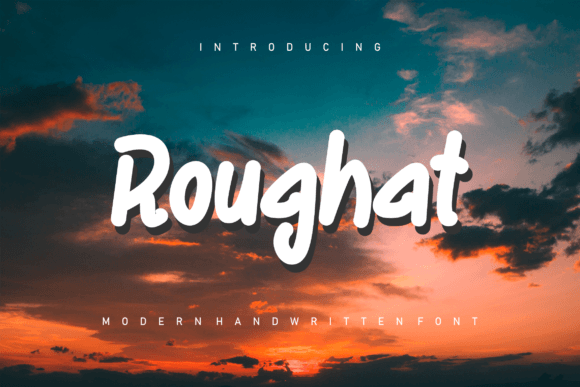
Roughat has that effortless, scribbled charm that feels like it was written by hand. It’s not overly stylized or too formal, which makes it ideal for brands that want to feel approachable and authentic. The letters have a slight irregularity, giving them a lived-in, organic look. This is a font that doesn’t shout—it whispers, inviting the viewer to lean in and take notice.
I tested it on a logo concept for a handmade soap brand, and it immediately felt right. The soft curves and uneven strokes gave the logo a personal, artisanal vibe. It worked well with minimalist layouts and paired nicely with a clean sans-serif font for body text. When placed next to more structured typography, Roughat stood out as the creative element that brought emotion into the design.
Performance Across Branding Applications
In a packaging mockup for the same skincare brand, I used Roughat on product labels and taglines. It looked great on small formats like bottle caps and back-of-box labels. The readability was good enough for short phrases, but I noticed that when used in longer copy, it started to feel a bit too loose. That said, it was perfect for headlines and callouts where visual interest was needed.
On a business card, Roughat added a friendly, personal touch. It didn’t overpower the information, and the contrast with a more traditional serif font helped establish a clear hierarchy. For web design, I placed it in a website header, and it felt natural against a neutral background. However, I wouldn’t recommend using it for long-form content or anything that requires high readability at smaller sizes.
Social media graphics were another area where Roughat shined. Used in Instagram posts and Facebook banners, it brought a sense of playfulness and creativity to the visuals. It worked especially well with lifestyle photography and candid shots, reinforcing the brand’s casual, community-driven identity.
When to Use and When to Avoid
Roughat is best suited for display purposes—logos, headers, taglines, and short phrases. It’s not designed for long paragraphs or dense text blocks, so it should be reserved for decorative use rather than primary body copy. If your brand leans toward the professional or corporate side, this might not be the right choice. But for creative studios, handmade shops, or local businesses aiming for a warm and friendly image, it’s a fantastic option.
I found that pairing Roughat with a modern sans-serif font created a nice balance. The contrast between the two styles helped guide the reader’s eye and provided a clear visual structure. For example, using a bold sans-serif for headings and Roughat for subheadings or pull quotes made the content more engaging without feeling cluttered.
Testing and Licensing Considerations
Before committing to any font in client work, I always test it across multiple formats and sizes. With Roughat, I checked its performance on print, digital screens, and even mobile devices. It held up well in most cases, though I did notice some minor inconsistencies in certain characters when scaled down. For this reason, I’d advise designers to thoroughly test the font before finalizing any client deliverables.
Another important consideration is licensing. While Roughat is a fun and casual handwritten font, it’s crucial to check the commercial font license to ensure it’s appropriate for use in brand identities, packaging, templates, merchandise, websites, or print-on-demand products. Always review the terms carefully to avoid any legal issues down the line.
Overall, Roughat is a versatile and expressive font that can elevate a wide range of creative projects. Whether you're designing a logo, crafting a brand board, or creating social media assets, this font brings a unique personality to the table. It's not for every project, but when used thoughtfully, it can make all the difference in communicating a brand’s voice and character.